Source Skid Mounted PLC CNG Daughter Station for Fleet Refueling
Source a skid mounted PLC CNG daughter station for fleet refueling, pipeline transfer, and mobile operations. Compare 14 available units featuring hydraulic-driven compressors, customizable working pressures up to 25 MPa, and integrated control systems designed for efficient compressed natural gas handling.
Key considerations
Products List


Comprehensive Sourcing Guide
Skid Mounted PLC CNG Daughter Station Sourcing Guide
Procuring a skid-mounted PLC CNG daughter station requires careful evaluation of the integrated control architecture and the specific pressure requirements for your refueling operations. These units typically feature a fully integrated skid design that consolidates the unloading, compression, and refueling systems into a single, transportable module. Buyers must verify that the PLC control system is capable of managing the complex sequencing required for high-pressure gas transfer, ensuring seamless operation between the gas source and the vehicle dispensers.
The operational flexibility of these stations is often defined by their ability to handle multiple gas sources, including CNG skids or direct pipeline inputs. When selecting a unit, it is critical to confirm that the inlet pressure range aligns with your local infrastructure, as observed models support inputs from 0.3 to 20 MPa. This adaptability ensures the station can function effectively in various daughter station configurations, whether serving as a standard, mother, or daughter station within a broader network.
Product Scope and Observed Listing Signals
Market listings for these units reveal a distinct price range between 11,900 and 150,000 USD, reflecting significant variations in capacity and customization levels. The observed minimum order quantity is consistently one unit, allowing for flexible procurement strategies for individual sites or pilot projects. Buyers should note that while the base model may be standardized, the final configuration often depends on specific requests regarding packing, dimensions, and the integration of custom logos or branding elements.
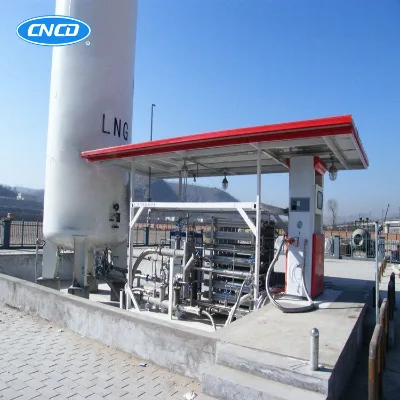
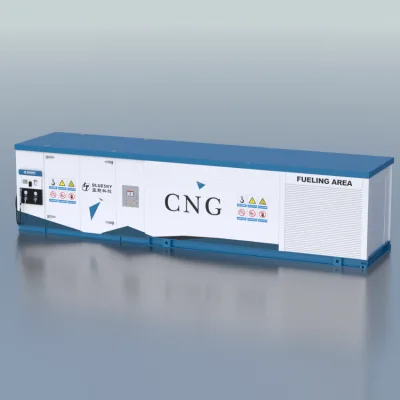
Product listings indicate that these stations are available in various appearances, including containerized, open, or split designs, to suit different site constraints. The storage medium capabilities extend beyond standard CNG to include compressed hydrogen, nitrogen, and helium, suggesting a versatile platform for diverse energy needs. However, the specific working pressure and flow rate capabilities, typically ranging from 250 to 1000 Nm3/H per dispenser, must be matched precisely to the expected traffic volume of the intended refueling location.
Technical Specifications to Verify
Verification of the main material composition is essential for ensuring long-term durability under ultra-high pressure conditions. Observed specifications highlight the use of materials such as 4142 and 30crmolx, which are critical for withstanding pressures exceeding 100.0 MPa in certain configurations. Buyers must confirm that the pressure vessel and core components like pumps and PLCs meet the rigorous demands of continuous operation, particularly given the wide working temperature range of -50 to 65°C or even -196 to 40°C for specialized applications.
The drive mode and cooling type are other critical technical parameters that influence operational reliability and maintenance schedules. Most units utilize an electric start drive mode paired with air cooling, though hydraulic-driven compressor types are also available for specific power requirements. It is vital to validate that the outlet pressure can consistently reach up to 25 MPa and that the design service life of 15 years is supported by the engineering of the main system, including the unloading and compression subsystems.
Compliance and Safety Documentation
Safety compliance for high-pressure gas systems necessitates a thorough review of machinery test reports and standard certifications before finalizing a purchase. While specific certification bodies are not universally listed, the provision of machinery test reports is a standard expectation for these industrial units. Buyers should insist on documentation that validates the structural integrity of the pressure vessels and the safety of the control logic, ensuring that the equipment meets the necessary safety protocols for handling ultra-high pressure gases.
Documentation regarding the working pressure and temperature limits must be explicitly detailed to prevent operational failures in extreme environments. The observed working temperature ranges and pressure levels, such as the 25 MPa operating limit, require clear verification against local regulatory standards. Procurement teams should ensure that the supplier provides comprehensive safety manuals and compliance certificates that align with the specific jurisdiction where the daughter station will be installed, covering both the electric and hydraulic power supply systems.
Cost Drivers and Commercial Terms
The total cost of ownership is heavily influenced by the customization options and the specific dimensions of the skid-mounted unit. Dimensions can vary significantly, with observed standards ranging from compact 3450x1900x2100mm units to larger 12192x2438x1400mm configurations, directly impacting shipping and installation expenses. Buyers must account for the cost of custom packaging, whether standard or containerized, as well as the logistics of bulk shipping or RO-RO transport, which can vary based on the origin location in China.
Commercial terms regarding warranty and after-sales support are pivotal for managing long-term operational risks. The observed warranty periods typically cover 12 months of operation or 18 months after shipment, with some listings specifying a one-year warranty on core components. It is crucial to negotiate clear terms for the 15-year design service life, ensuring that the supplier provides adequate support for the PLC, pressure vessels, and pumps throughout the lifecycle of the station to mitigate unexpected downtime costs.
Supplier Qualification and Quality Control
Supplier qualification should focus on the manufacturer's ability to deliver customized solutions while maintaining strict quality control over core components. The brand name CNCD and the origin in Henan, China, indicate a specific manufacturing base, but buyers must verify the supplier's track record in producing similar skid-mounted units. The availability of customization for logos, packing, and dimensions suggests a flexible production line, yet this flexibility must not compromise the integrity of the main material or the precision of the PLC control systems.
Quality control processes must be validated through the review of machinery test reports and the verification of core component sourcing. Buyers should request evidence that the pressure vessels, pumps, and PLCs are sourced from reputable manufacturers and have undergone rigorous testing. The presence of a machinery test report is a positive indicator, but it should be accompanied by detailed inspection records that confirm the unit meets the specified standards for working pressure, temperature, and flow rate before shipment.
Long-Term Procurement Checks
Long-term procurement success depends on establishing a clear maintenance strategy for the complex systems within the skid-mounted station. The integration of unloading, compression, and refueling systems requires regular inspection of the hydraulic and electric components to ensure they continue to operate within the specified parameters. Buyers should plan for periodic checks of the pressure vessels and control systems to maintain the 15-year design service life and prevent degradation of the 30crmolx or 4142 materials under high-pressure conditions.
Future scalability and compatibility with evolving gas sources are also critical considerations for long-term planning. As the energy landscape shifts, the ability of the station to handle different storage media, such as compressed hydrogen or helium, becomes increasingly valuable. Procurement teams should verify that the PLC system is upgradable and that the physical dimensions of the skid allow for potential expansion or modification, ensuring the investment remains viable as operational needs and regulatory requirements change over time.
FAQs
What is the typical flow rate for a skid mounted PLC CNG daughter station?
The typical flow rate ranges from 250 to 1000 Nm3/H per dispenser. This capacity supports efficient refueling operations for vehicle fleets. The system utilizes a PLC control system to manage gas delivery accurately. Customization is available to adjust flow parameters based on specific operational requirements and site constraints.
Can the working pressure be customized for a skid mounted PLC CNG daughter station?
Yes, the working pressure is fully customizable to meet specific site needs. Standard configurations often operate at 25 MPa with an outlet pressure of 25 MPa. The inlet pressure range supports 0.3-20 MPa sources. This flexibility ensures compatibility with various gas supply types, including CNG skids or pipeline inputs.
What is the design service life of a skid mounted PLC CNG daughter station?
The design service life is typically 15 years. This longevity is supported by high-quality materials like 4142 steel and 30crmolx. The system operates within a temperature range of -50 to 65°C. Regular maintenance and the provided machinery test reports help ensure consistent performance throughout its operational lifespan.
Which storage media are supported by a skid mounted PLC CNG daughter station?
The station supports CNG, Compressed Hydrogen, Nitrogen, and Helium. It features an ultra-high pressure level exceeding 100.0 MPa. The main system includes unloading, compression, refueling, and control components. This versatility allows the unit to handle multiple gas types for diverse industrial and transportation applications.
How is the skid mounted PLC CNG daughter station packaged for shipment?
Packaging is available as requested, including standard packaging, containers, bulk ship, and RO-RO options. Dimensions can be customized, such as 12192x2438x1400mm or 3450x1900x2100mm. The unit is often containerized or open for transport. This flexible packaging ensures safe delivery and easy installation at various global locations.
What warranty is provided for a skid mounted PLC CNG daughter station?
The warranty covers 12 months of operation or 18 months after shipment. Core components like the pressure vessel, pump, and PLC are included. A machinery test report is provided for quality assurance. This warranty structure ensures buyer confidence in the equipment's reliability and performance during initial deployment phases.